Our Programme : The Living Classroom
The Living Classroom
While Dr. Maria Montessori called the primary learning environment the "Prepared Environment", she often described both the classroom and the natural outdoor world as a "living classroom" or "living educator". Questions like “Who am I?” and “Why am I here?” find answers and bring about an understanding of the child’s place in the universe.
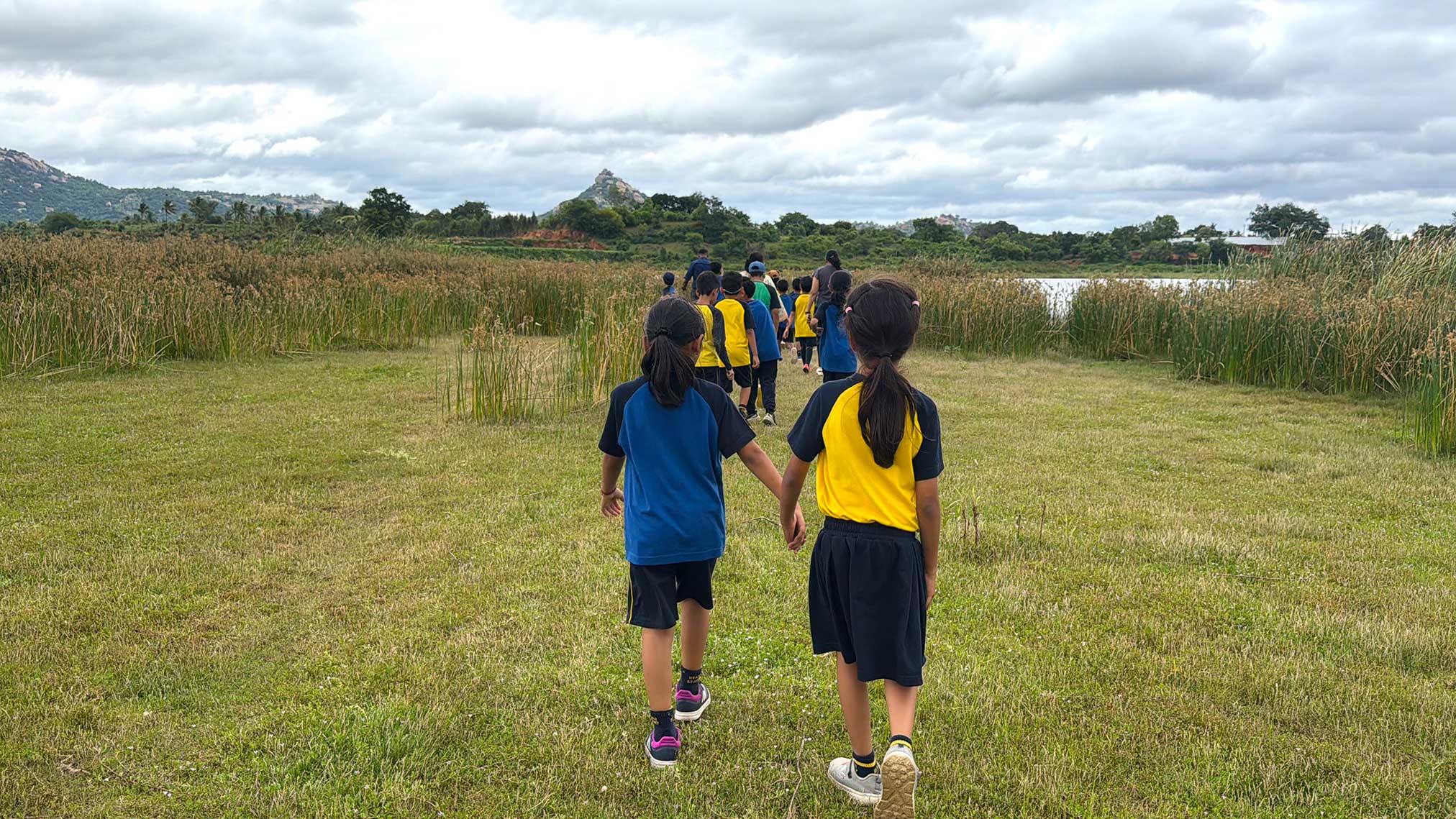
Whether in a forest or open field, learning happens, and enriches all that we absorb in the indoor environment. The ‘living classroom’ is an integral part of our curriculum.
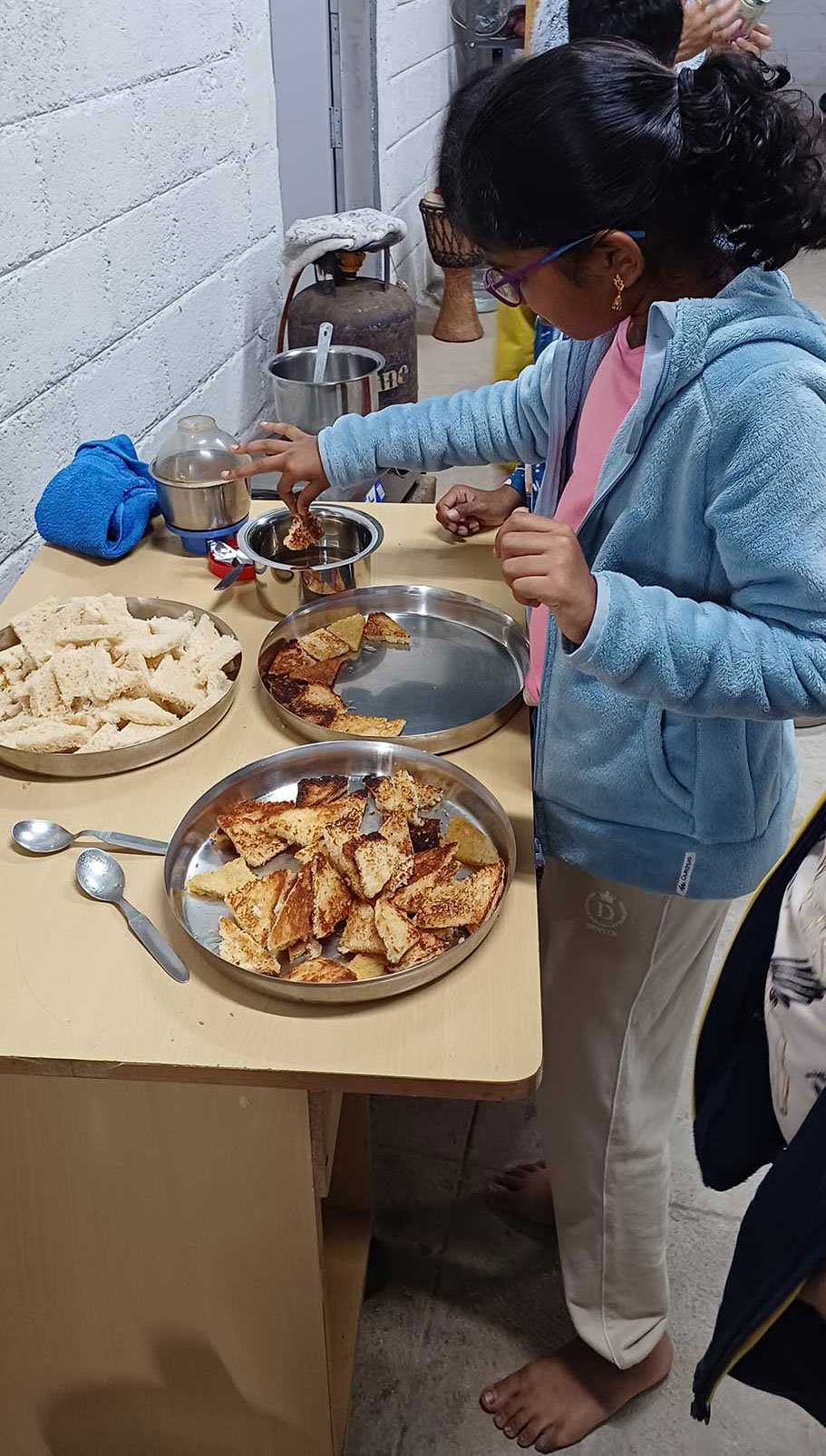
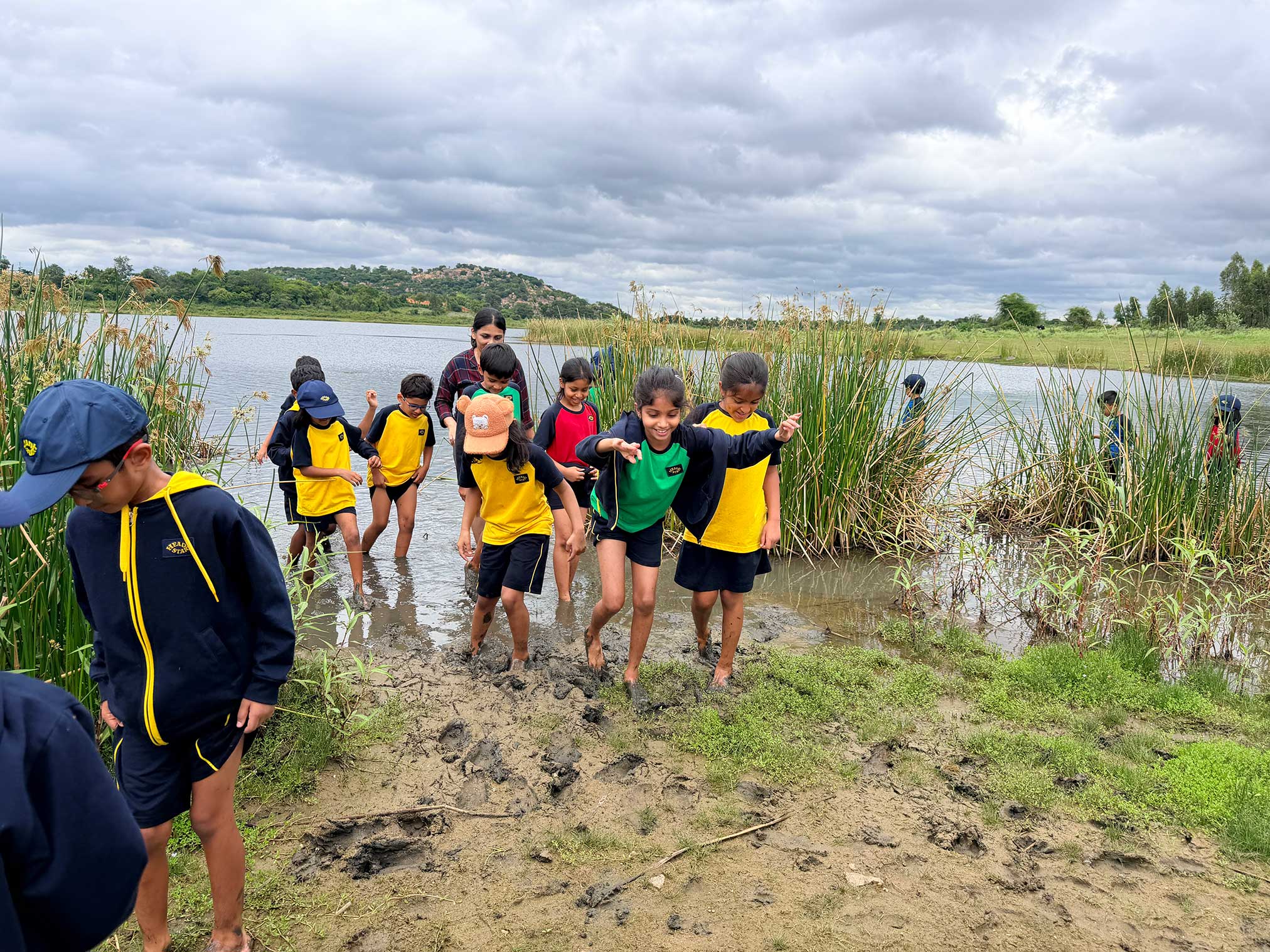
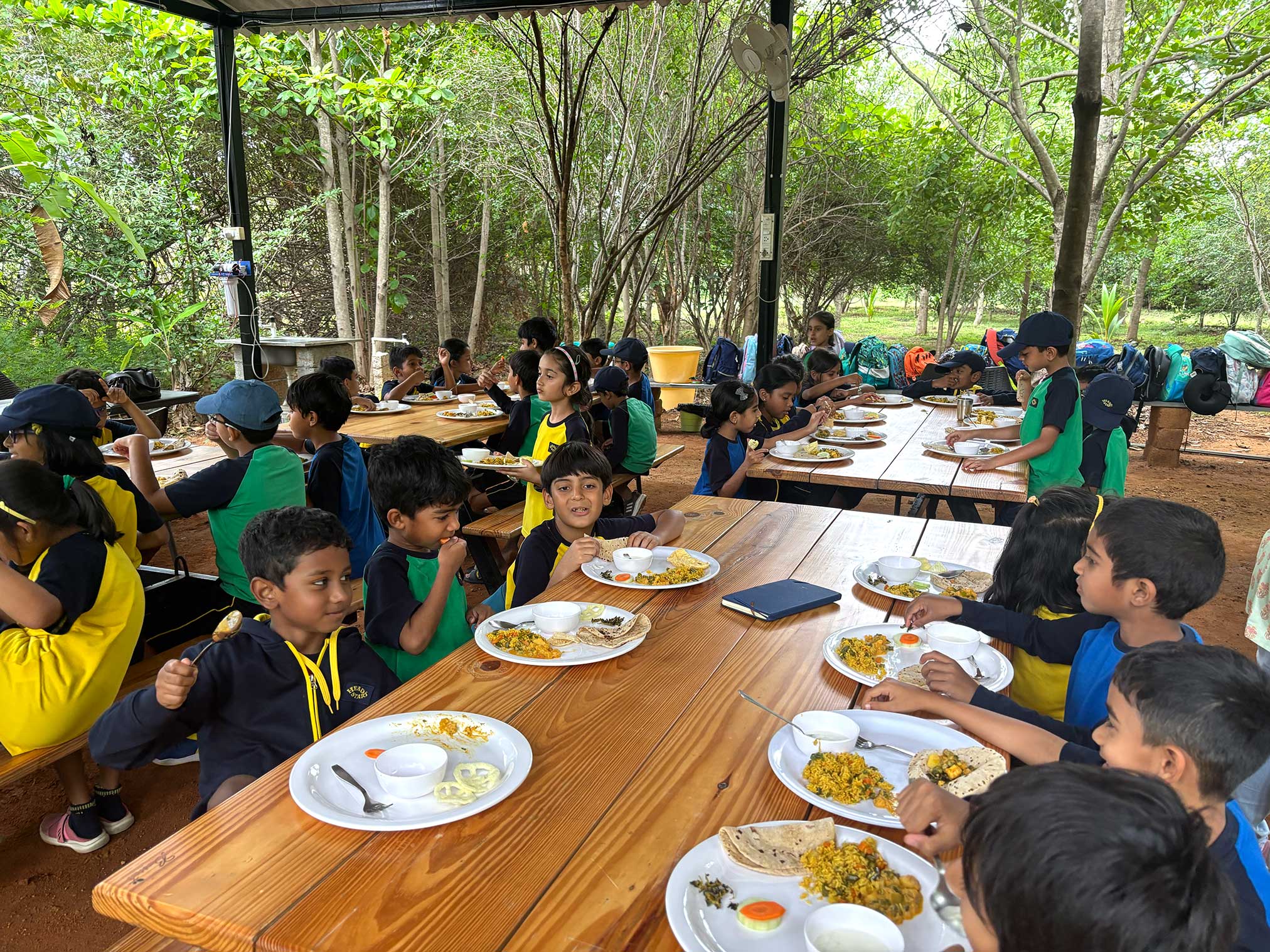
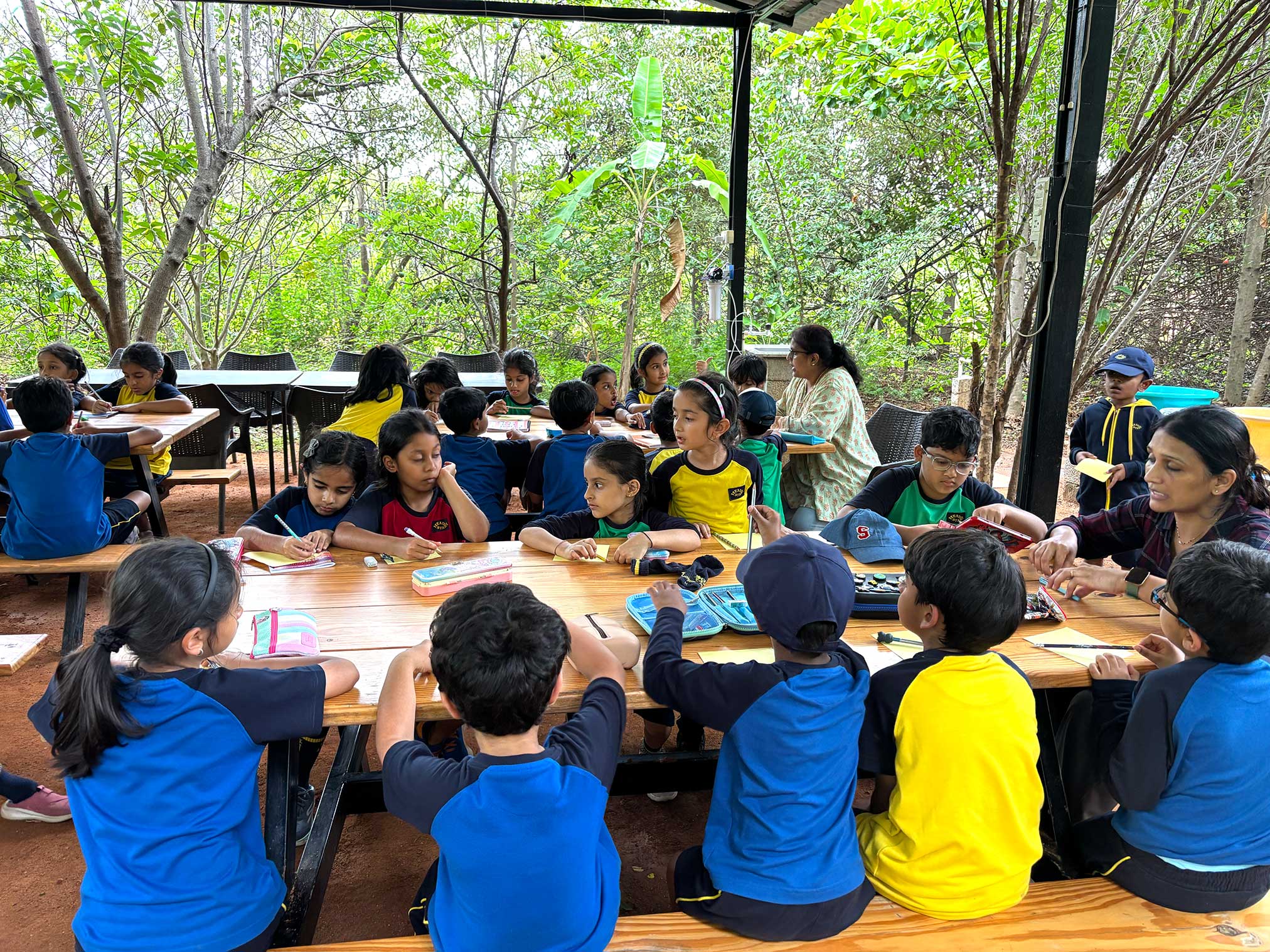
Our outbound visits with overnight stays help us value the world around us and build resilience — from pitching tents to sleep in, attending classes under the trees, tilling land, planting vegetables, to eating meals freshly prepared on site. Away from the city and its distractions, we immerse ourselves in a peaceful environment. On clear nights we wonder at the stars; on others, we feel the mist and listen to the rain.
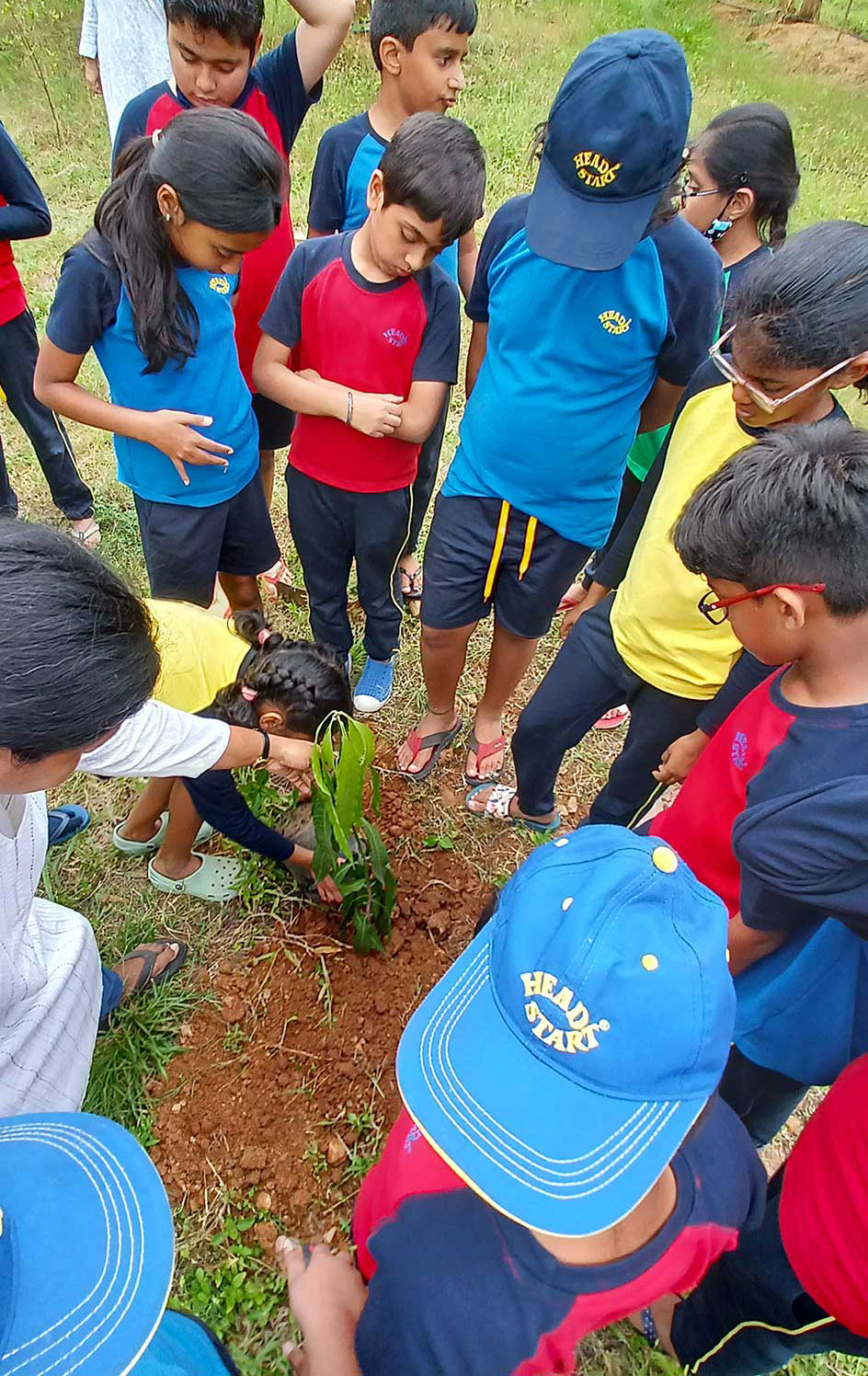
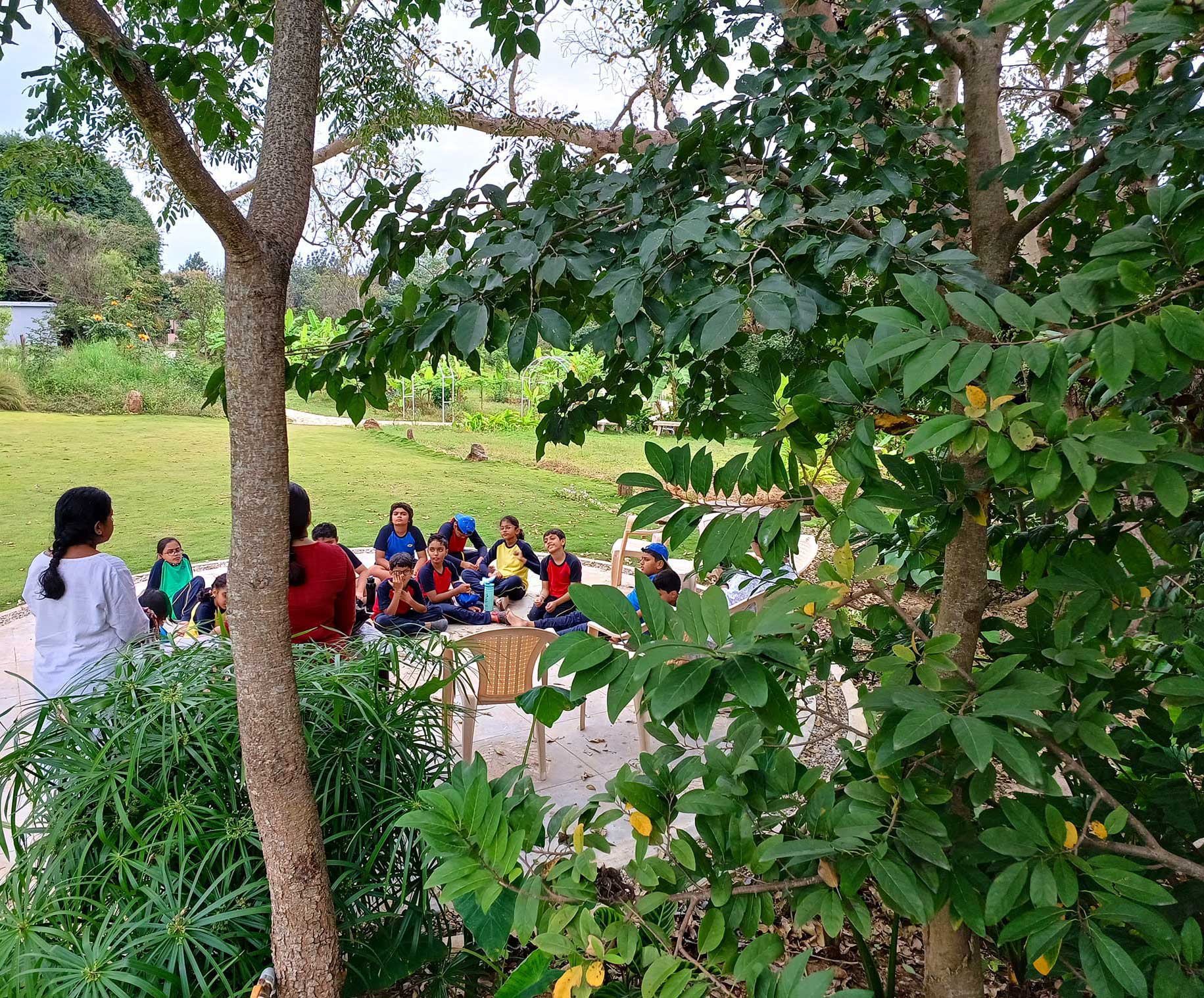
Our time in the ‘living classroom’ has brought children and Montessori educators together as a community. Children enjoy the large open spaces, the movement involved in transitioning from one activity to the next. When they have disagreements with friends there is ample space to move away– reflect on their actions, gather their thoughts and then rejoin the group. This breather enables them to bounce back.
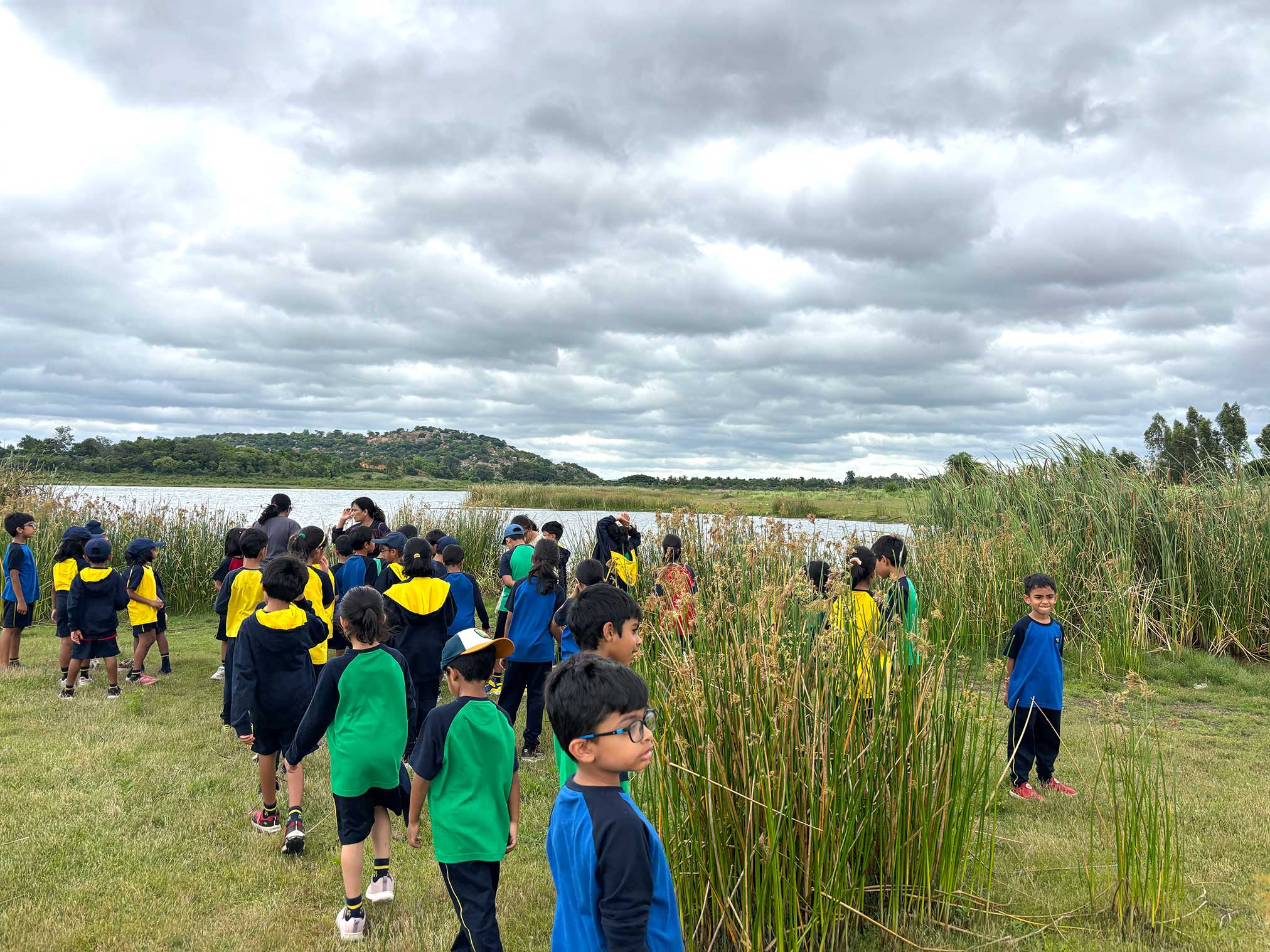
Teachers find opportunities to address the emotional issues of children in a discreet way as opposed to in a standard classroom setting. The ‘herd instinct’ that Montessori talks about in elementary children has limited scope in an indoor environment, but several windows open up when they connect with the natural world. They become keen observers and the “why’s” increase. They pick up on finer details from their surroundings, for example, from insects, ants, snails, formation of clouds, shadows etc.
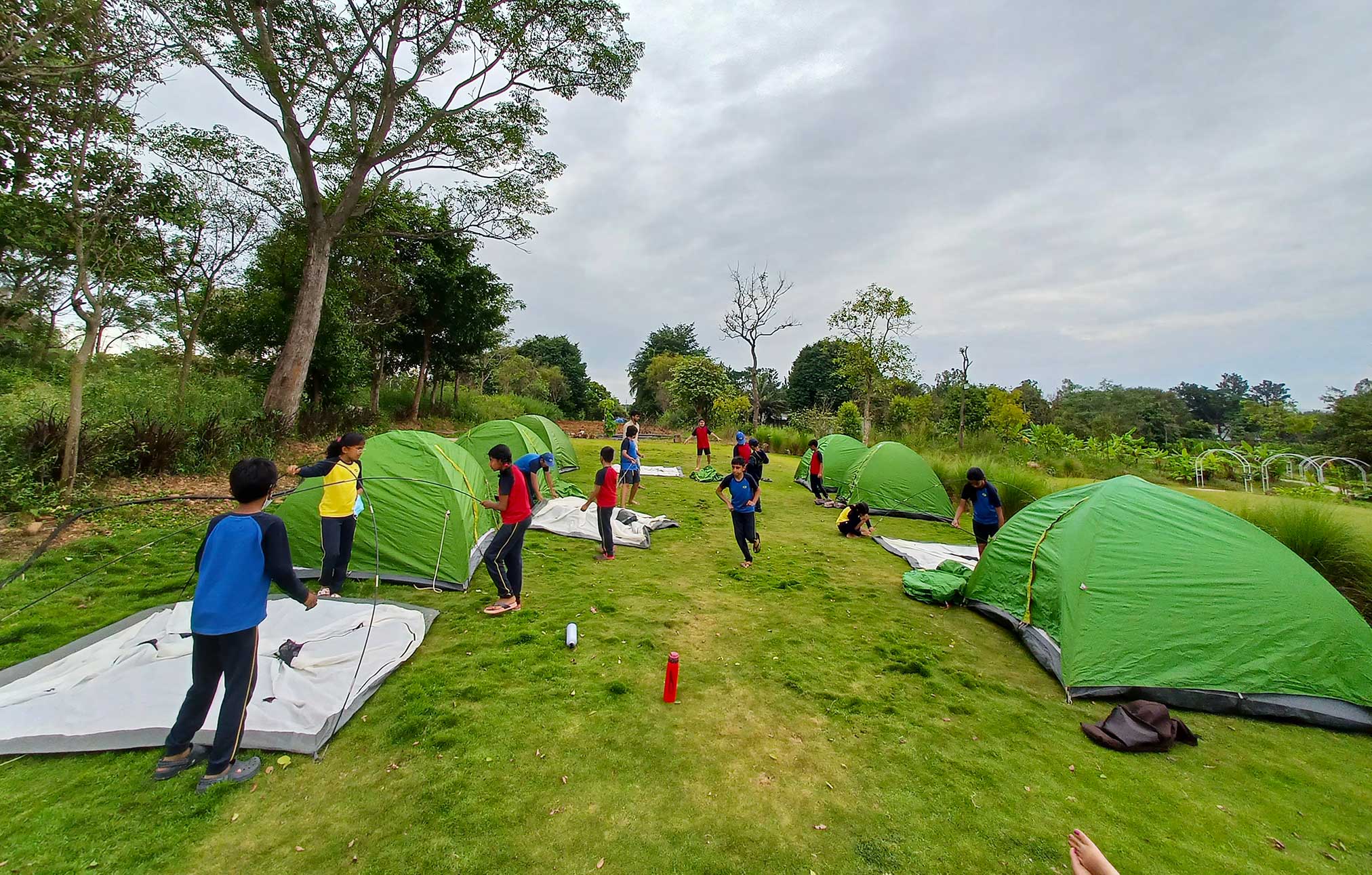
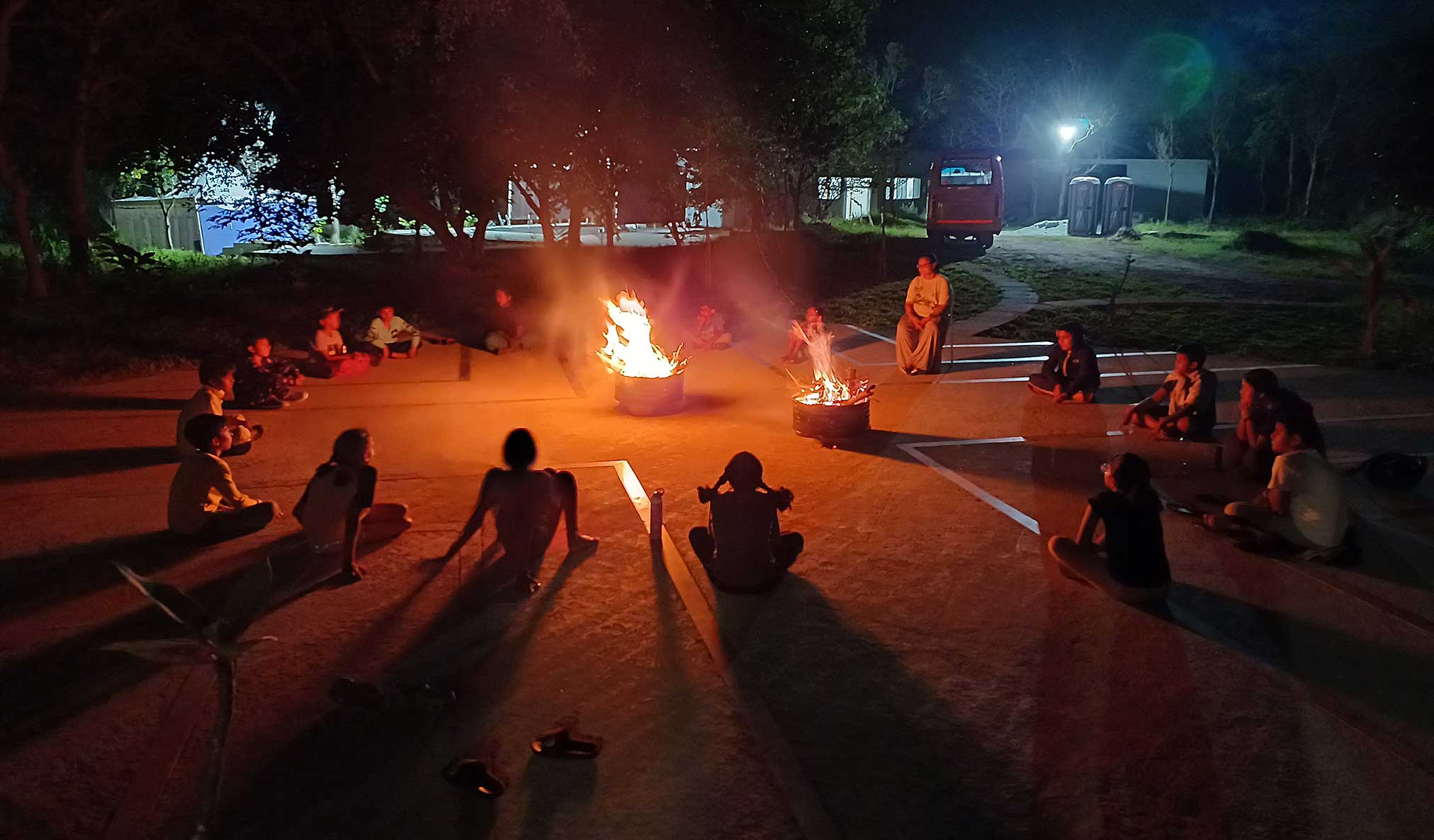
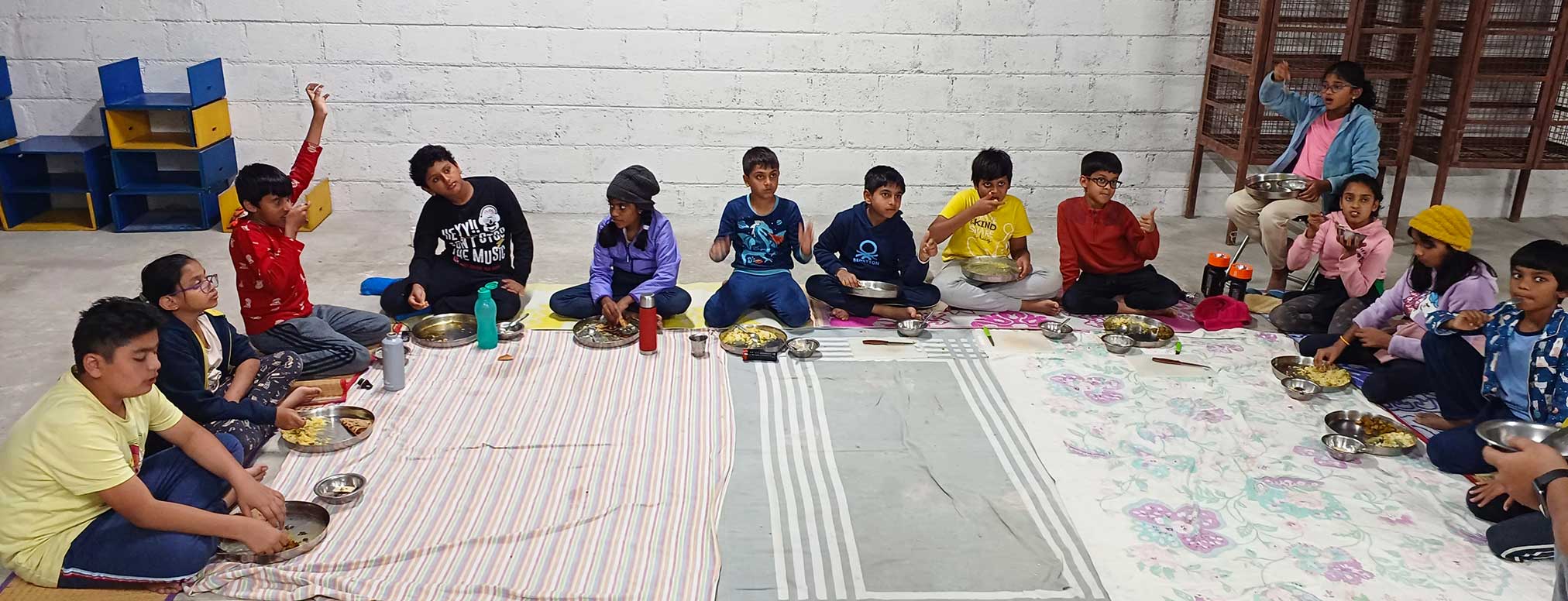
Some children display traits of ‘I am big now’ when they carry their own bags with essentials. We see peers helping those who are unable to pack and unpack their bags. They support each other when it is dark or when a friend is homesick. When the older ones were pitching tents for the entire group we heard the younger ones saying, “‘My hands are hurting - shall we share between 4 instead of 3 in each tent?” This analysis is also seen when children participate in making and serving dinner for everyone.
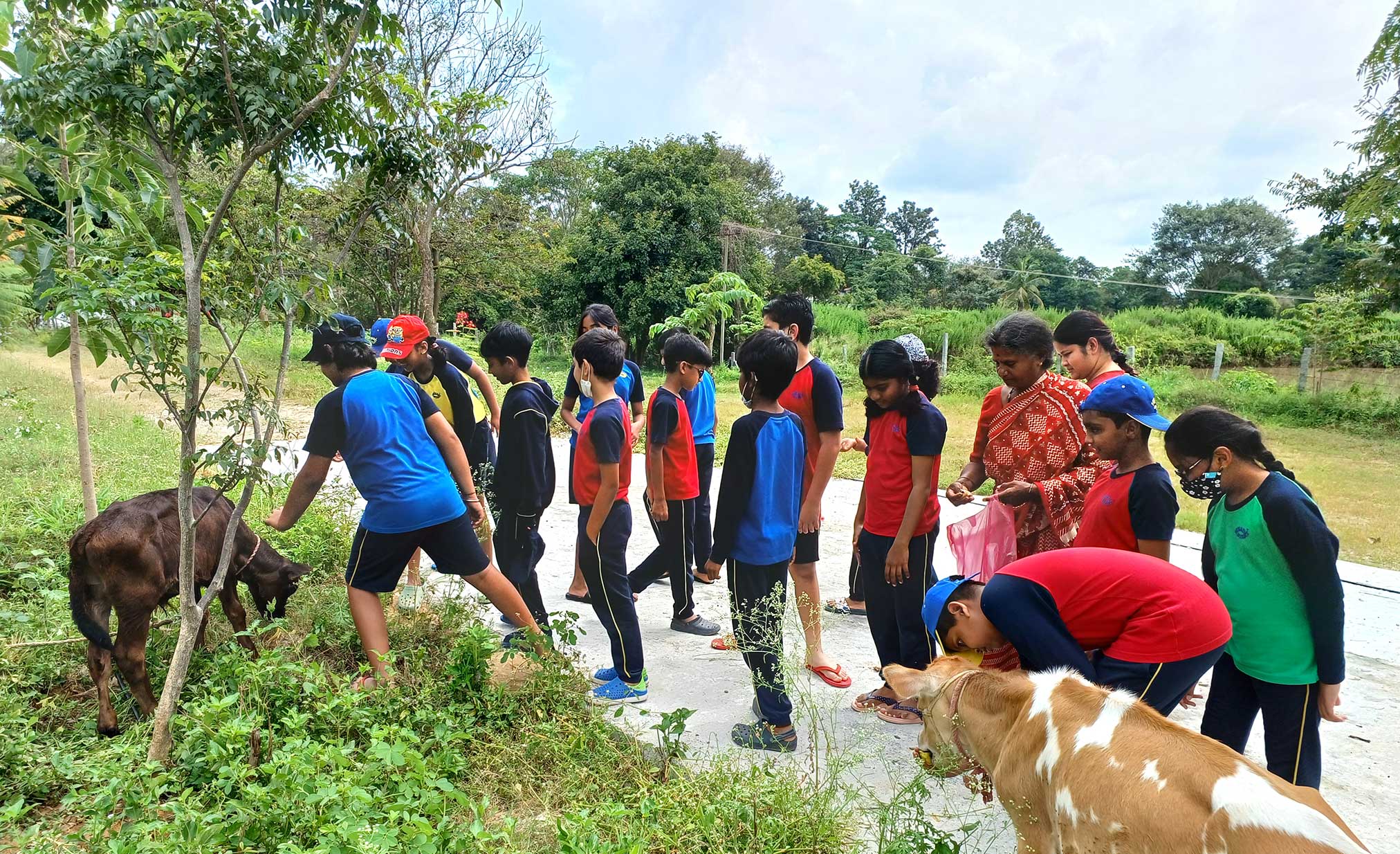
How children engage with nature can vary. Some who were fearful of being around cattle initially were fascinated when they saw a new-born calf during a subsequent visit. Apprehension was replaced with awe and wonder.
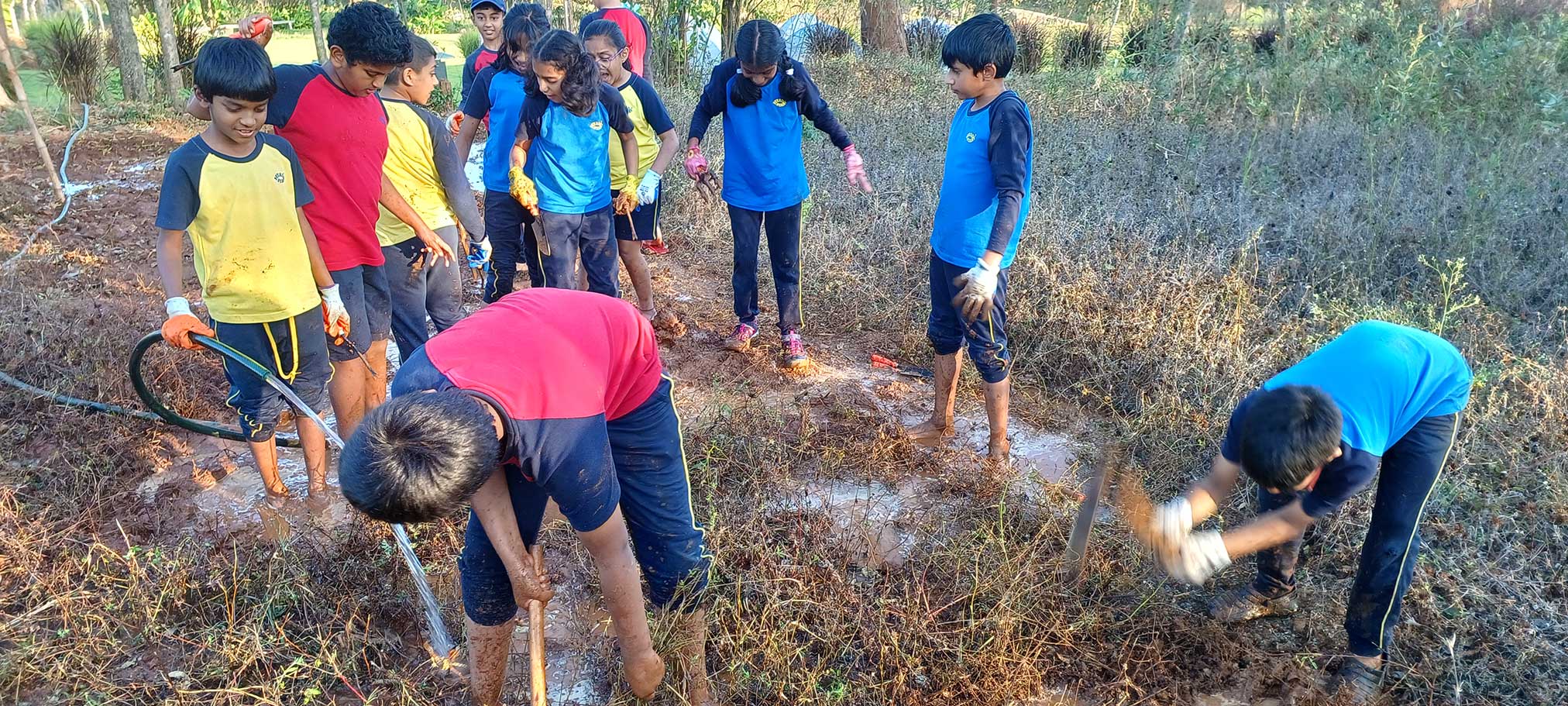
Initially, ‘getting ready’ routines for children every morning were not easy. However, after a few visits they had made their own observations – who takes long, who’s quick and organised; how they can collaborate to make the process smoother.
Debates and arguments still happen about who is sharing a tent with who. But the entire group is willing to comply with the decisions taken by their teachers with an occasional, “That’s not fair”.
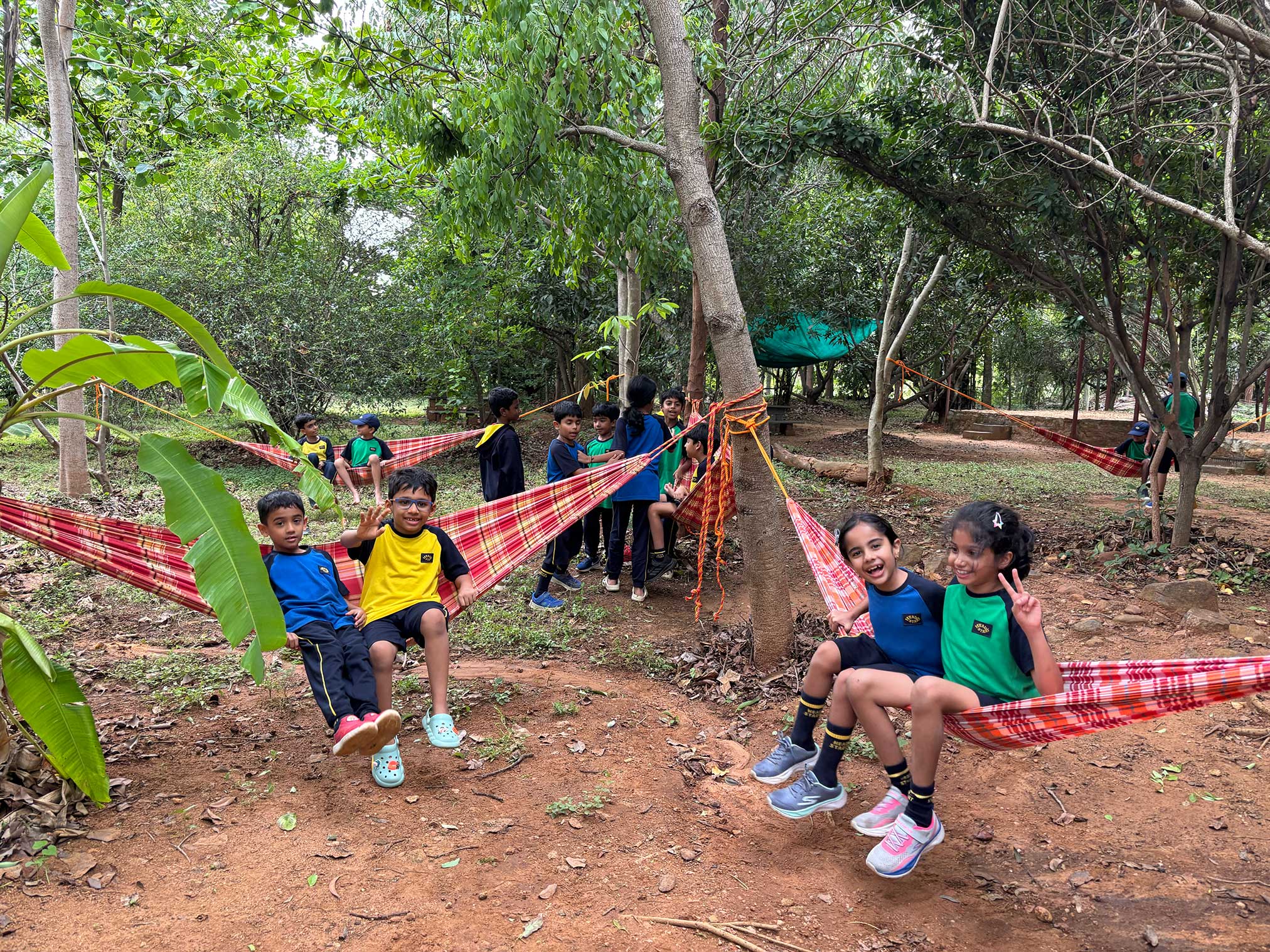
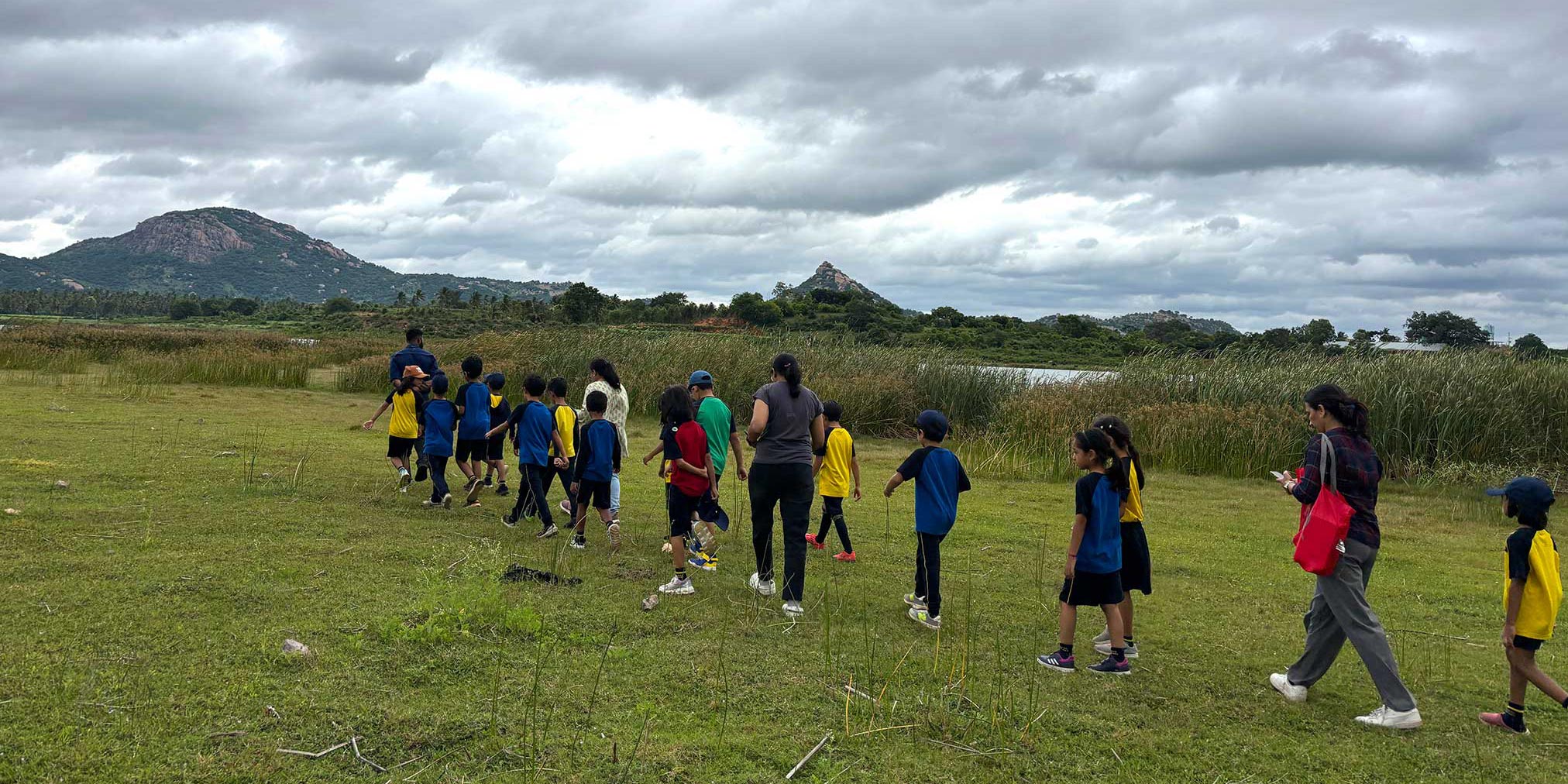
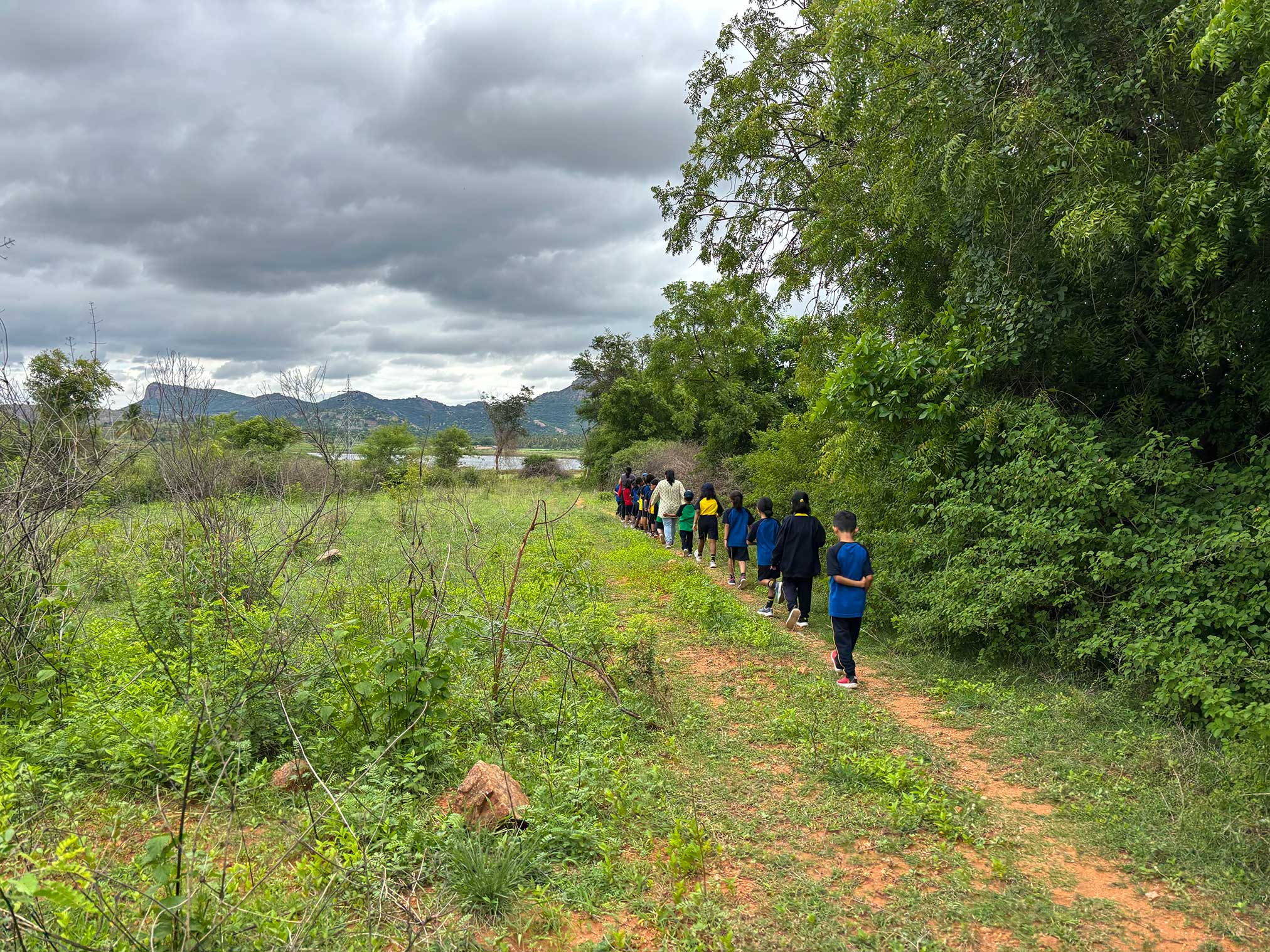
Walks through surrounding villages in the evenings and early mornings have brought children even closer. There are no regimented expectations of walking in a line. Children know their boundaries and need no reminders to stay with the group. This has also been evident while travelling on public trains during school excursions.
Attempts to sensitise children about being calm, quiet, and paying attention to the sounds of nature during our walks have given us an insight into how those who are otherwise loud are able to stay calm.
Learning does not begin and end in a classroom or only with a teacher. It flows through every person who touches the life of a child. Apart from their academic teachers, children see the connection with their bus drivers who drive them to and from the living classroom; the cooks who travel with them and help them prepare their meals, turning the produce that has been grown into nutritious meals. The connection between human society and nature comes alive and every living classroom experience brings new learning.